The Pushkar Camel Fair: What It Actually Is and How to See It Well
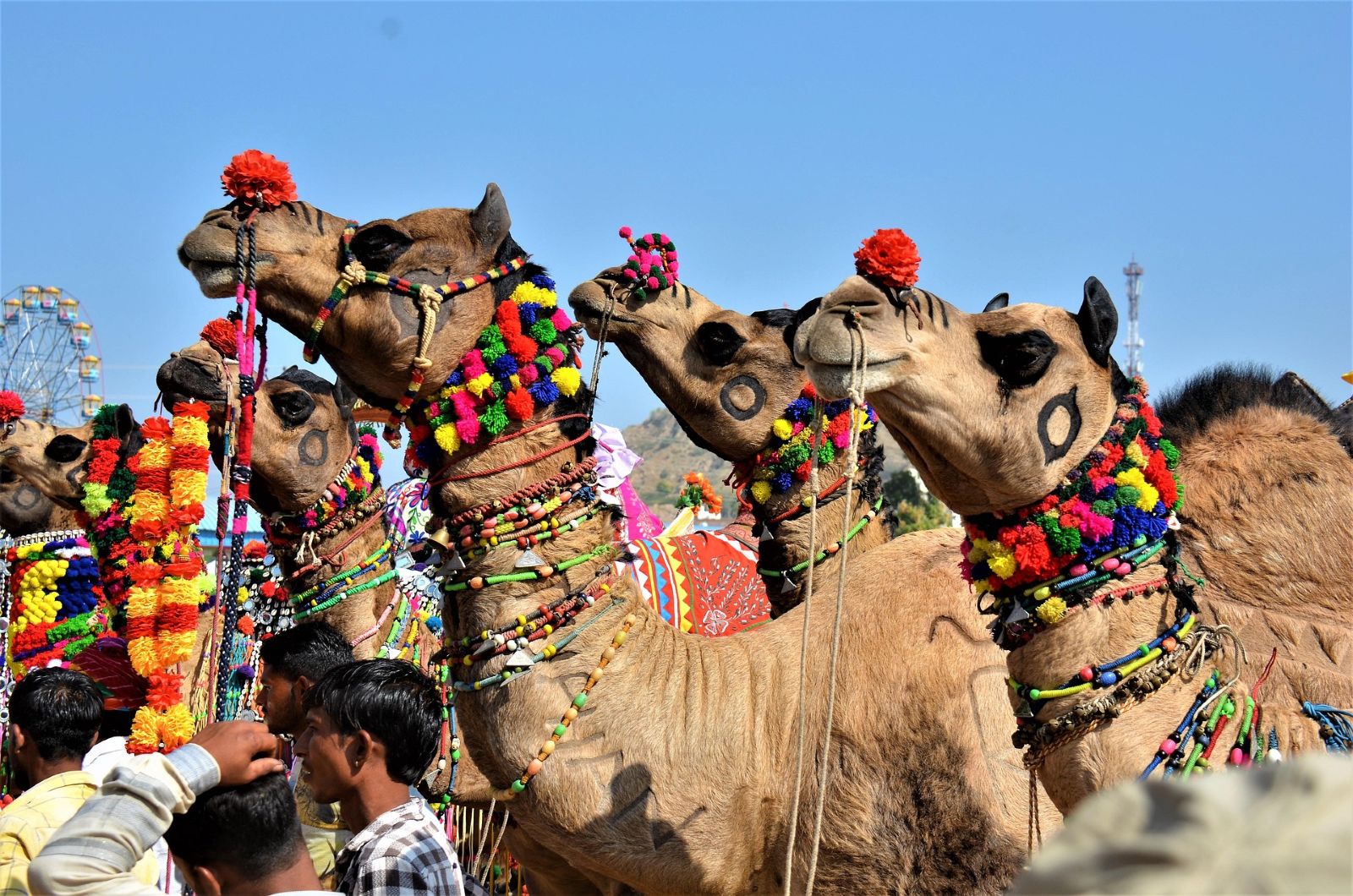
Most photos of the Pushkar Camel Fair — camel silhouettes against a sunrise, decorated livestock, a sea of turbans — make it look staged for tourists. It isn't. Underneath the cultural programming that's grown up around it, the fair is still a working livestock market: thousands of camels, cattle, and horses are traded here every November by herders who have been coming for generations. That's worth knowing before you go, because it changes how you should behave once you're there — as a respectful observer of someone else's business, not a photo backdrop.
When it happens
The fair is timed to Kartik Purnima, the full-moon day of the Hindu month of Kartik, which usually falls in November — check the specific dates for the year you're travelling, since the lunar calendar shifts them year to year. The full fair runs for ten to fourteen days, but the trading itself is concentrated in the first week; the last two or three days lean more heavily into the cultural programme and the Kartik Purnima bathing ritual at the lake.
Getting the photography right
- Be at the fairgrounds by 7am. Traders are up early grooming and decorating animals before the day's trading and the light is at its best — by mid-morning both the light and the scene flatten out.
- Ask before photographing people up close. Wide shots of the fairgrounds are fine; a portrait of a specific trader or their animal is their livelihood on display, not a set piece, and a nod or a few words first goes a long way.
- The dunes just past the main fairgrounds are usually quieter than the central trading area and give you the classic wide shots without crowding the actual market.
Beyond the camels
- Turban-tying and moustache competitions, camel races, and folk-music evenings run through the week — check the daily printed schedule at the fair office rather than relying on word of mouth.
- Kartik Purnima itself brings thousands of pilgrims to bathe in Pushkar Lake and float oil lamps on the water after dark — arrive at the ghats well before sunset if you want a spot to actually see it rather than a view of other people's backs.
- The old-town bazaar is worth a slower visit either before or after the fair week, when prices aren't inflated by fair-season demand.
Where to stay
Book a desert-camp tent well in advance — most fair-season capacity is Swiss tents pitched on the dunes near the fairgrounds rather than hotels in town, and the better camps sell out months ahead for the peak days.
For the full destination guide — Pushkar outside fair season, day trips to Ajmer, and a three-day itinerary — see the Pushkar hub page.